What is Turkish Delight?
Updated 2025
Turkish delight, or lokum, is more than just a sweet treat—it’s a centuries-old tradition that combines history, craftsmanship, and delicate flavor. Known for its soft, melt-in-the-mouth texture and subtle taste, it has been enjoyed in Turkey and beyond for over 400 years, inspiring countless variations. From palace kitchens to modern artisanal cafés, Turkish delight remains a symbol of hospitality, culture, and culinary artistry.
History of Turkish Delight
Turkish delight originated in the kitchens of the Ottoman Empire and has been a beloved confection for over 400 years. Its name comes from the Arabic rahat al-hulqum, meaning “comfort of the throat,” a nod to its soft, melt-in-the-mouth texture. Traditionally, lokum was served as a gesture of hospitality, often accompanying Turkish coffee and special celebrations. Early recipes were simple yet refined, made with sugar, water, cornstarch, and delicate flavorings like rosewater, citrus, mastic, or nuts. Over time, Turkish delight spread beyond Ottoman borders, enchanting Europe as a luxurious treat, while in Turkey it remained a symbol of craftsmanship and culinary tradition that continues today.
Ingredients of Turkish Delight
Authentic Turkish delight relies on just a few ingredients, each crucial to its signature texture and flavor. Sugar forms the sweet base, while cornstarch gives lokum its soft, elastic, melt-in-the-mouth quality. Water dissolves the sugar and starch, and a small amount of citric or tartaric acid balances sweetness and helps the gel set. Flavorings and add-ins, such as rosewater, citrus peel, mastic, or nuts, add aroma, taste, and variety. While some modern recipes experiment with gelatin or other thickeners, it is this simple combination of ingredients that creates truly authentic Turkish delight.
How Turkish Delight is Made?
Making Turkish delight requires patience and precision. Sugar and water are slowly cooked into a syrup, then combined with a cornstarch paste to form a soft, elastic gel. A touch of citric or tartaric acid helps it set, while flavors like rosewater, citrus, or nuts are added for aroma and taste. The mixture is poured into trays, left to cool and firm, then cut into cubes and lightly dusted with starch or powdered sugar, producing the classic melt-in-the-mouth texture that has defined lokum for centuries.
Variations of Turkish Delight
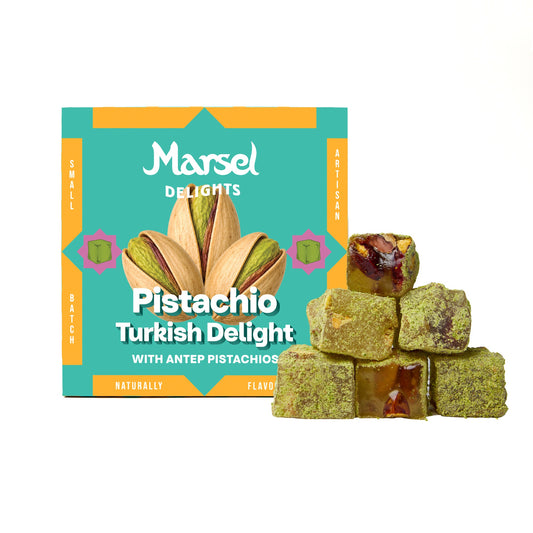
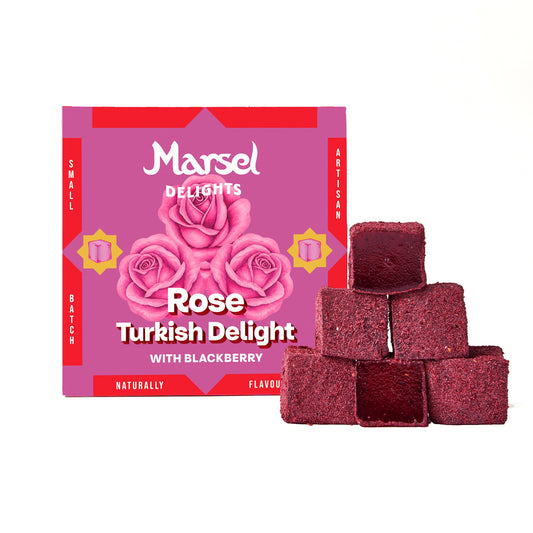
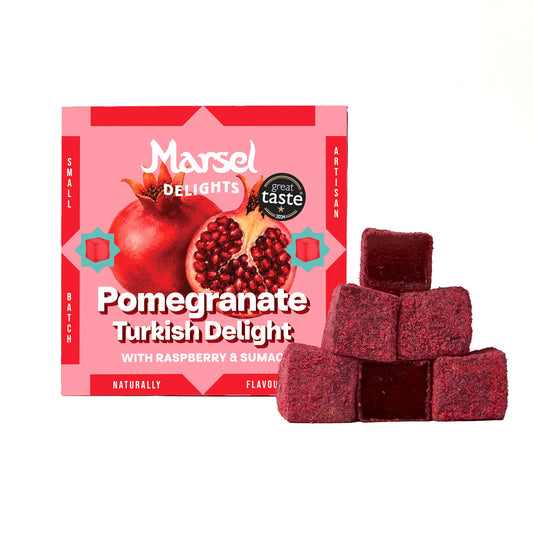
Over the centuries, Turkish delight has inspired countless flavor and texture variations. Classic lokum features rosewater, lemon, orange, or mastic, but modern interpretations include nuts like pistachios, hazelnuts, or walnuts, as well as dried fruits and spice infusions. Some versions are dusted with coconut or powdered sugar, while others are layered with fruit pastes or caramel for a richer experience. Today, artisanal makers experiment with bold flavors such as pomegranate, espresso, or even wasabi, creating innovative lokum that honors tradition while delighting contemporary palates.
Turkish Delight in Popular Culture
Turkish delight has long captured the imagination of writers, travelers, and filmmakers, appearing as a symbol of luxury, tradition, and indulgence. Its most famous literary appearance is in C.S. Lewis’s The Chronicles of Narnia, where it is used to tempt Edmund, introducing readers worldwide to the charm of lokum. Beyond literature, Turkish delight features in travelogues, culinary shows, and international gift culture, representing the exotic and refined flavors of Turkey. From festive celebrations to artisanal cafés, it continues to hold a place not just on the table, but in stories, memories, and the global imagination.
Today, Turkish delight continues to delight palates around the world, blending centuries-old tradition with modern creativity. Each piece tells a story of craftsmanship, culture, and the timeless joy of a truly exquisite confection.
What is the history of Turkish Delight?
How to Store Turkish Delights, Shelf Life & Storage Tips.
What is Another Name for Turkish Delight (Lokum)?
Looking for Turkish Delight in Istanbul? Visit Our Lokum Bar
Turkish Delight and Coffee: How to Pair Lokum with Modern Coffee